How Can I Use Instant Flipbook?

Flipbooks aren't just digital novelties — they're practical tools used every day by thousands of businesses across a wide range of industries. Whether you're an agency pitching to clients, a publisher going digital, or a realtor showcasing listings, Instant Flipbook helps you turn static PDFs into engaging, interactive publications in minutes.
Here's how professionals in eight major industries are putting flipbooks to work.
Marketing and Creative Agencies

For marketing and creative agencies, presentation is everything. Flipbooks let you deliver campaign reports, brand guidelines, media kits, and pitch decks that feel polished and interactive — far more impressive than a flat PDF attachment in an email. Clients can flip through a beautifully designed lookbook right in their browser, complete with clickable links to campaign assets, landing pages, or portfolio pieces.
Agencies also use flipbooks as an upsell service. If you're already designing brochures, catalogs, or annual reports for your clients, offering a flipbook version is an easy add-on with high perceived value. The conversion process takes minutes, but the result is a premium digital deliverable that sets your agency apart from competitors still sending static files.
Brand guideline documents are another natural fit. Instead of a 40-page PDF that gets buried in someone's downloads folder, a flipbook version can be hosted online and shared with a simple link — ensuring everyone on a client's team always has access to the most current version.
Publishers and Media
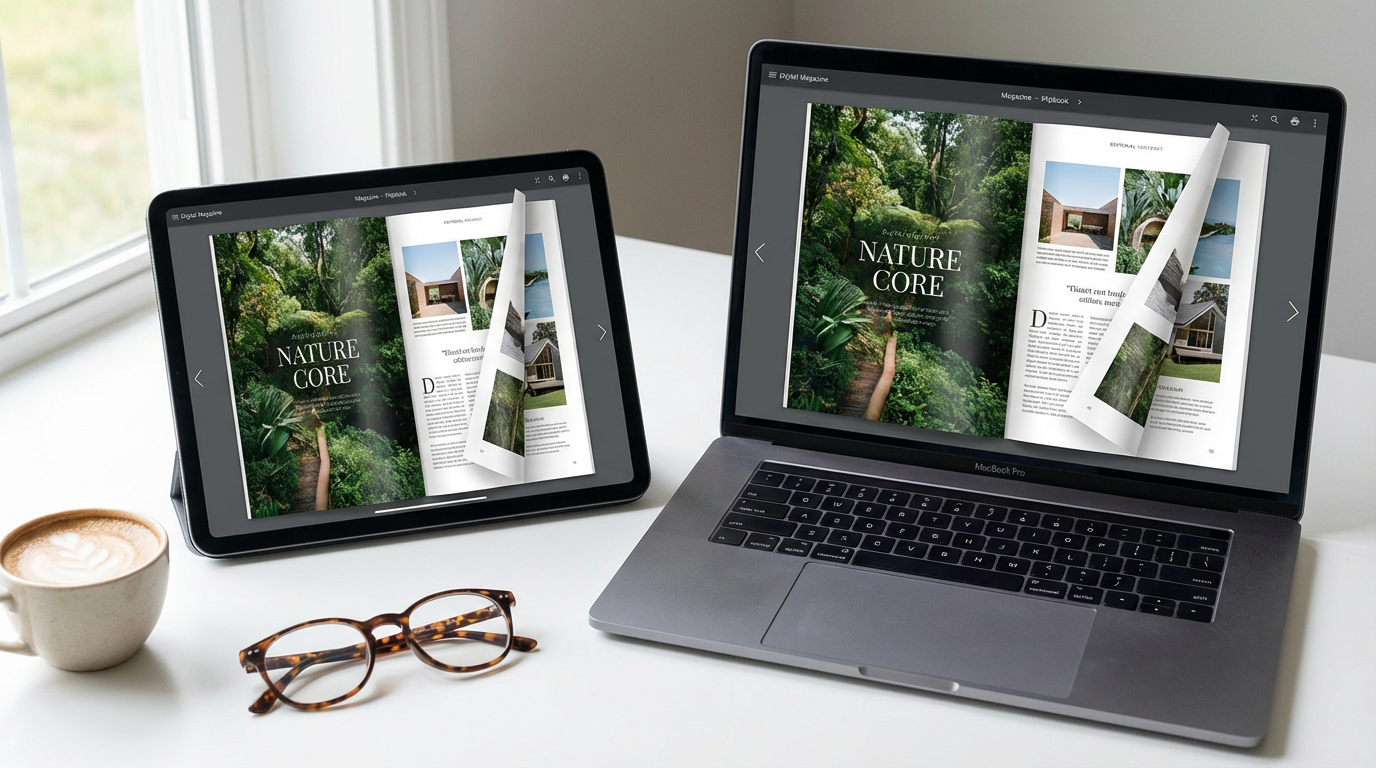
The publishing industry has been shifting toward digital for years, and flipbooks offer a middle ground between print and fully native digital content. Magazines, journals, newsletters, and annual editions can be converted into flipbooks that preserve the original page layouts, typography, and design — something that responsive web articles and e-readers often can't replicate.
For publishers, the cost savings are substantial. Printing, binding, and shipping physical copies is expensive and slow. A flipbook edition can be published instantly and distributed to a global audience at virtually no incremental cost. Readers access it from any device with a browser — no app downloads required.
Flipbooks also open up new revenue opportunities. You can embed clickable advertisements, sponsor logos, and affiliate links directly into the pages. Advertisers get measurable, interactive placements instead of static print ads, and you can offer premium positioning like full-page spreads with embedded video links or direct purchase buttons.
Real Estate

Real estate agents and brokerages produce a constant stream of printed material: property brochures, listing packages, neighborhood guides, market reports, and open house flyers. Every new listing typically means a fresh print run, and those materials are outdated the moment a price changes or a property sells.
With a flipbook, you create a single digital brochure that can be updated and re-shared instantly. Send prospective buyers a link to a beautifully designed property package they can flip through on their phone during their commute. Include clickable links to virtual tours, mortgage calculators, or your contact form. Host a library of all your active listings on your website as embedded flipbooks that visitors can browse without leaving the page.
For luxury properties, a high-quality flipbook brochure with professional photography, floor plans, and neighborhood information creates a premium impression that a standard listing page can't match. And unlike printed brochures left behind at open houses, a digital version can be shared, forwarded, and accessed indefinitely.
Corporate and Enterprise

Large organizations produce enormous volumes of internal and external documents: annual reports, quarterly earnings summaries, employee handbooks, onboarding guides, training manuals, compliance documentation, and investor presentations. Distributing these as printed binders or PDF attachments is inefficient and hard to track.
Flipbooks transform these documents into professional digital publications that can be hosted on an intranet, shared via link, or embedded directly into internal portals. An employee handbook becomes a browsable, searchable reference that new hires can access from day one. A training manual becomes an interactive guide that teams can revisit any time. An annual report becomes a visually compelling shareholder communication that reflects the quality of your brand.
For investor relations, flipbooks are particularly effective. A well-designed annual report flipbook with charts, photography, and executive letters creates a far stronger impression than a downloadable PDF. You can host it on your IR page and share the link in earnings announcements, ensuring broad and easy access.
Education

Schools, colleges, and universities produce a wide range of publications that benefit from the flipbook format: course catalogs, student handbooks, admissions brochures, alumni magazines, research journals, event programs, and campus newsletters. Many of these are traditionally expensive to print in volume and quickly become outdated.
A flipbook course catalog can be updated each semester and shared with a permanent link on the registrar's website. Prospective students browsing from their phones get a rich, visual experience that reflects the institution's quality — far more engaging than a downloadable PDF. Alumni magazines published as flipbooks reach graduates worldwide without postage costs, and can include embedded links to donation pages, event registrations, or class reunion sign-ups.
Faculty and departments also use flipbooks for research publications, conference proceedings, and departmental newsletters. The format preserves the careful academic layouts while making content accessible to a broader audience online.
Retail and E-Commerce
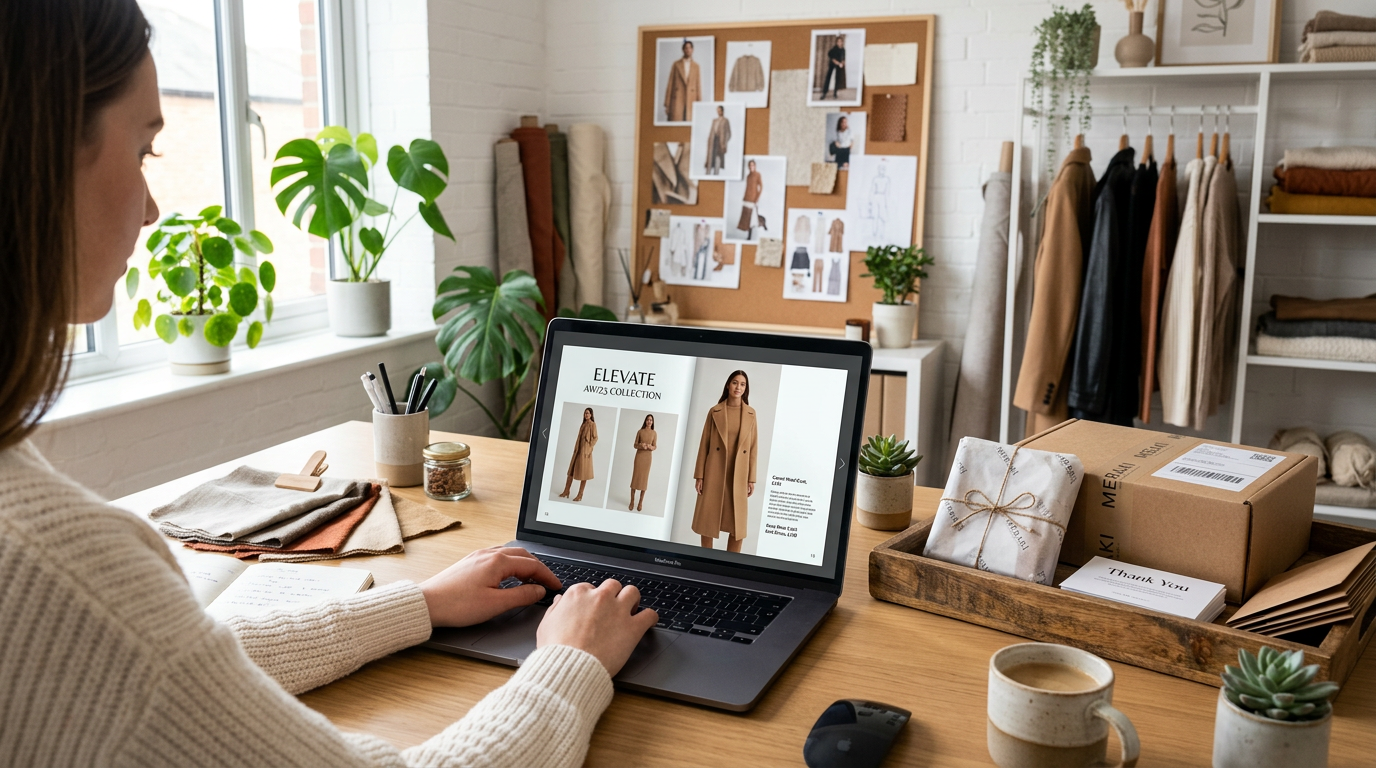
Retailers have been creating product catalogs for decades, and flipbooks are the natural digital evolution. A seasonal lookbook, holiday gift guide, or new collection catalog can be converted into a flipbook that customers browse the same way they'd flip through a physical catalog — but with the added ability to click directly on products to visit the product page or add items to their cart.
For e-commerce businesses, flipbook catalogs serve as a powerful marketing tool. Embed them on your homepage, share them in email campaigns, or post them on social media. A visually rich, browsable catalog drives more engagement than a grid of product thumbnails because it tells a visual story — showing products in context, styled in outfits, or arranged in room settings.
Sale flyers and promotional lookbooks are also highly effective as flipbooks. Instead of printing thousands of circulars, create a digital version that can be distributed instantly, updated if pricing changes, and tracked for engagement. Wholesale businesses use flipbook catalogs to give retail buyers an easy way to browse the full product line and place orders.
Hospitality and Travel
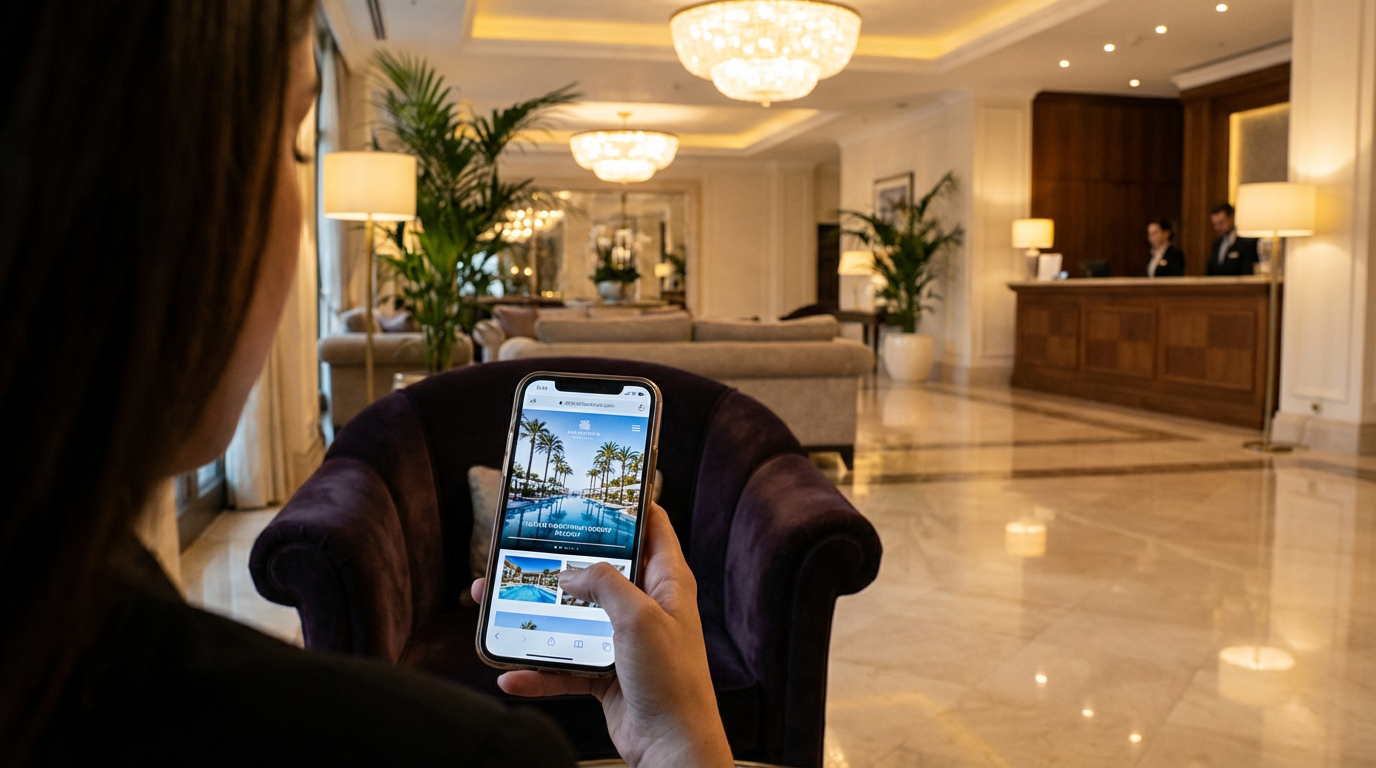
Hotels, resorts, restaurants, travel agencies, and event venues rely heavily on visual storytelling to attract guests. Flipbooks are ideal for resort brochures, travel guides, event programs, wedding packages, spa menus, and conference center capabilities decks. The page-flipping experience mirrors the leisurely browsing that travelers enjoy, and the visual richness of a well-designed flipbook conveys luxury and attention to detail.
A growing trend in hospitality is replacing printed in-room materials with digital versions accessible via QR code. Guests scan a code on the nightstand and instantly access a flipbook with restaurant menus, spa services, local attraction guides, and hotel amenities — no app required. This eliminates printing costs, makes updates instant, and supports sustainability goals.
Travel agencies use flipbook brochures to showcase destination packages, cruise itineraries, and tour offerings. A single link shared via email gives potential travelers a beautiful, immersive preview of their trip — complete with embedded booking links that make it easy to convert interest into reservations.
Nonprofits and Government

Nonprofits, NGOs, and government agencies often operate with tight budgets but still need to communicate effectively with donors, stakeholders, and the public. Flipbooks provide a professional, visually engaging format for impact reports, fundraising campaigns, community newsletters, policy documents, and program guides — all without the cost of print production and mailing.
An annual impact report published as a flipbook can include compelling photography, infographics, donor acknowledgments, and embedded links to donation pages. It's easy to share in fundraising emails, post on social media, and host permanently on the organization's website. For donor stewardship, a polished digital report demonstrates professionalism and transparency, reinforcing confidence in how funds are being used.
Government agencies use flipbooks for public-facing documents like community plans, budget summaries, tourism guides, and public health information. The format makes dense policy documents more approachable and easier to navigate, improving public engagement and accessibility.
Get Started
No matter your industry, if you have a PDF, you have a flipbook waiting to happen. The conversion takes minutes, requires no technical skills, and the result is a professional digital publication you can share with anyone, anywhere. Create your first flipbook today and see the difference for yourself.
Featured Articles
- Uploading a Flipbook to Your Website
- Flip Book Embed Code Generator
- How to Embed Flipbook on WordPress
- Benefits of Using a Flipbook
Businesses use Instant Flipbook